
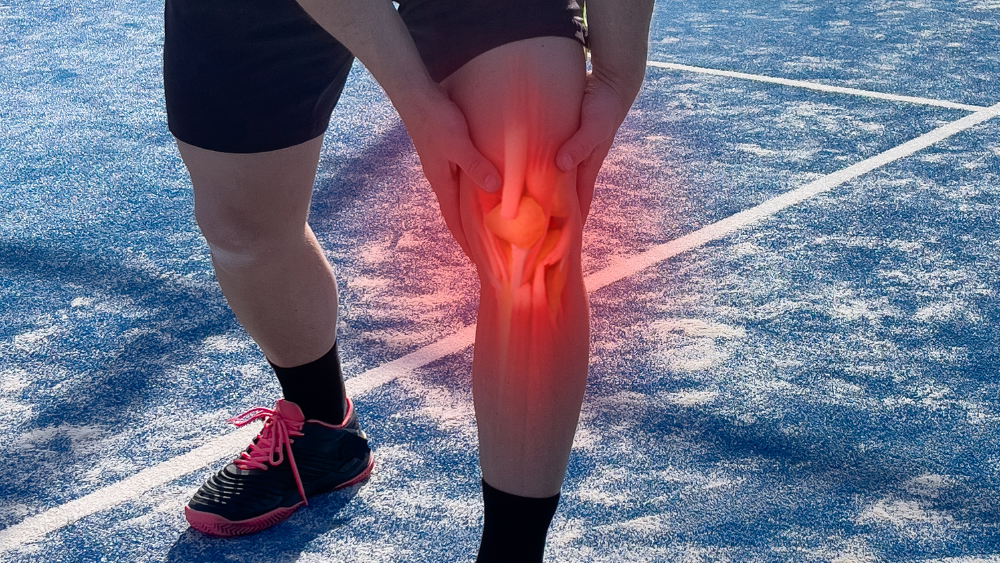
Exercising Without Pain: Top Tips for Safe Movement with Joint Pain or MSK Conditions
By Your Leisure
Living with joint pain or musculoskeletal (MSK) conditions like arthritis, back pain, or osteoporosis can make exercise feel daunting — but it doesn’t have to be. In fact, gentle and regular activity is one of the most effective ways to reduce discomfort, increase mobility, and improve overall wellbeing.
According to the NHS, physical activity is vital for those with MSK conditions, as it can help improve strength, flexibility, and posture, while also reducing pain and fatigue over time (NHS, 2023). The key is to choose the right type of exercise and approach it safely.
1. Start Low, Go Slow
One of the golden rules for pain-free exercise is to begin gently. For example, start with low-impact activities like walking, gentle yoga, swimming, or resistance machines in the gym. Build up gradually, increasing duration and intensity over time. Always warm up before and cool down after your session to prepare and protect your joints (Versus Arthritis, 2023).
2. Choose Joint-Friendly Exercises
Water-based exercises such as swimming or aqua aerobics are excellent for people with joint pain. The buoyancy of the water supports the body and reduces strain on joints, making movements easier and less painful (Swim England, 2022). Yoga and Pilates are also highly beneficial for increasing flexibility and strength without putting pressure on sensitive areas.
Gym exercises using controlled resistance machines can be safer than free weights, especially for beginners or those recovering from injury. Machines help guide your movement and reduce the risk of injury when used correctly.
3. Listen to Your Body
Discomfort is normal when you’re getting started — but pain is not. Always listen to your body. If an exercise causes sharp or prolonged pain, stop immediately and consult a professional. The Chartered Society of Physiotherapy recommends speaking to a qualified instructor or physiotherapist for advice on adapting exercises to suit your needs (CSP, 2023).
4. Modify When Needed
Many group exercise classes, such as those offered by Your Leisure, provide modifications and alternative movements for participants with joint issues or limited mobility. Classes like “Yoga for Aches & Pains” or “Good Boost Aqua” are designed specifically with MSK conditions in mind, using evidence-based programmes to improve mobility, strength, and confidence in a supportive environment.
5. Stay Consistent
Consistency is key to managing pain long-term. The National Institute for Health and Care Excellence (NICE) states that regular, moderate exercise is more effective for managing MSK conditions than rest, as inactivity can increase stiffness and reduce muscle tone (NICE, 2020).
Move Better with Your Leisure! At Your Leisure, we offer a range of supportive and inclusive activities for individuals living with joint pain or MSK conditions. Whether you prefer the pool, the gym, or a specialist yoga class, our facilities and trained staff are here to help you move safely and confidently. Discover our Over 55s Wellbeing Programme ONLINE HERE ; a range of activities designed to be gentle and motivational.
Sources:
NHS (2023). Exercise and arthritis. https://www.nhs.uk/conditions/arthritis/exercise
Versus Arthritis (2023). Exercise and your joints. https://www.versusarthritis.org
Swim England (2022). Health benefits of swimming. https://www.swimming.org/swimengland/health-benefits-swimming
Chartered Society of Physiotherapy (2023). Get active with joint pain. https://www.csp.org.uk
NICE (2020). Managing MSK pain. https://www.nice.org.uk/guidance/ng193